logo
Über uns
China Shenzhen Pray-med Technology Co.,Ltd
Shenzhen Pray-med Technology Co.,Ltd
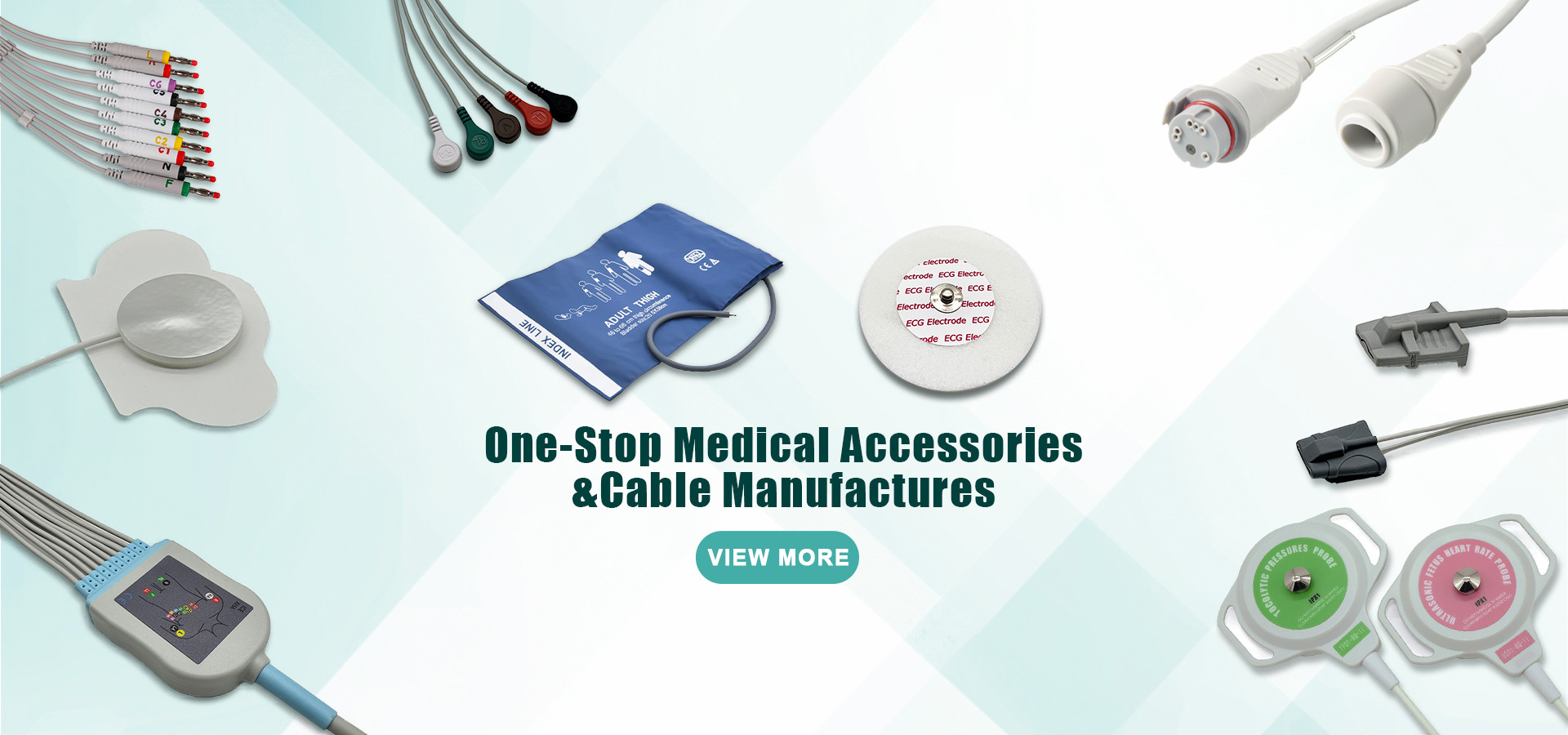
Shenzhen-betenmED-Technologie Co., Ltd. ist ein Berufshersteller von medizinischen Zusätzen für Patientenmonitor fast 10 Jahre
weitere informationen
bitte um ein angebot
01
Hohe Qualität
Vertrauenssiegel, Bonitätsprüfung, RoSH und Beurteilung der Lieferfähigkeit. Das Unternehmen verfügt über ein strenges Qualitätskontrollsystem und ein professionelles Testlabor.
02
ENTWICKLUNG
Internes professionelles Designteam und Werkstatt für fortgeschrittene Maschinen. Wir können zusammenarbeiten, um die Produkte zu entwickeln, die Sie brauchen.
03
FERTIGUNG
Fortschrittliche automatische Maschinen, strenges Prozesskontrollsystem. Wir können alle elektrischen Klemmen nach Ihren Anforderungen herstellen.
04
100% SERVICE
Großhandels- und kundenspezifische kleine Verpackungen, FOB, CIF, DDU und DDP. Lassen Sie uns Ihnen helfen, die beste Lösung für all Ihre Sorgen zu finden.
Unternehmen.img.alt
Nachrichten

neueste nachrichten

Neueste Unternehmensnachrichten über The crucial role of body temperature probes in intraoperative anesthesia management
2025-12-05

The crucial role of body temperature probes in intraoperative anesthesia management

During surgical procedures, maintaining stable vital signs is a core objective of anesthesia management. Body temperature, a fundamental yet clinically valuable physiological parameter, directly impacts the balance of multiple physiological systems, including metabolism, circulation, and coagulation. Intraoperative hypothermia can prolong postoperative recovery time and increase the risk of complications such as infection, bleeding, and arrhythmias. Therefore, continuous and accurate temperature monitoring to inform anesthesia management has become an indispensable safety measure in modern operating rooms. Temperature probes are key devices in this process.                                                           Temperature probes enable real-time monitoring of core body temperature, which is particularly clinically significant in prolonged surgeries or those involving open body cavities. Compared to traditional intermittent measurements, temperature probes use thermistors to rapidly convert temperature changes into electrical signals that are transmitted to the monitoring system, enabling continuous curve monitoring. This immediacy facilitates anesthesiologists' assessment of the patient's current condition and allows for the timely detection of potential risks arising from abnormal temperature changes. For example, during surgery, the use of cold irrigation, anesthetic drugs causing suppression of the thermoregulatory center, or when a large exposed area is present, the patient may experience a sustained drop in body temperature. By analyzing the temperature trend provided by the temperature probe, the anesthesia team can promptly implement warming measures, such as using warming blankets or administering warm intravenous fluids, effectively preventing the adverse consequences of hypothermia.                                                             Regarding the selection of temperature probes, esophageal or rectal probes are generally preferred for intraoperative monitoring. These two types are closer to the core temperature response zone, providing more representative data. Esophageal probes are more commonly used in patients undergoing intubation anesthesia, as they can be stably fixed in the thoracic esophagus, reducing measurement interference; while rectal probes are suitable for patients who cannot be intubated, such as those undergoing local anesthesia or pediatric anesthesia. In contrast, skin-type temperature probes are generally not the first choice for monitoring core body temperature during surgery due to their susceptibility to ambient temperature fluctuations.                                                                            The unique intraoperative environment also places higher demands on the performance of temperature probes. Probes need to have rapid response capabilities to provide accurate feedback at the initial stage of changes in patient temperature; they should also have good anti-interference performance to avoid signal fluctuations caused by electrosurgical units, high-frequency equipment, or changes in patient position. Furthermore, the probe's structural design must consider ease of intraoperative operation and patient comfort. Flexible cables, precise and compact temperature-sensing heads, and excellent interface compatibility with monitors are all crucial for ensuring the quality of intraoperative data. From an anesthesia management perspective, the use of temperature probes is not only reflected in intraoperative monitoring but also throughout preoperative preparation and postoperative observation. For example, probes can be pre-set before anesthesia induction to reduce mid-operative interference; maintaining the probe connection when the patient is transferred to the recovery room after surgery helps monitor postoperative hypothermia recovery and, if necessary, extend warming intervention. This integrated continuous monitoring process provides reliable support for hospitals to improve perioperative management.                                                               With increased awareness of infection control, the usage rate of disposable temperature probes in anesthesiology departments has been increasing year by year. Their characteristics of requiring no cleaning, ease of use, and reduced risk of cross-infection make them particularly suitable for high-turnover, high-risk surgical environments. For institutions equipped with comprehensive cleaning and disinfection systems, reusable probes can also achieve a balance between performance and cost. In conclusion, temperature probes are not merely monitoring tools in intraoperative anesthesia management but also essential components for ensuring patient safety, optimizing anesthesia protocols, and reducing postoperative complications. Through proper selection, standardized use, and comprehensive management, body temperature probes will continue to play an irreplaceable role in modern operating rooms, contributing to the continuous improvement of medical quality and patient care.
Weitere Informationen 
Neueste Unternehmensnachrichten über 2025 CMEF 92. China International Medical Equipment Fair Guangzhou Ausstellung
2025-09-26

2025 CMEF 92. China International Medical Equipment Fair Guangzhou Ausstellung

  2025 CMEF 92. China International Medical Equipment Fair Guangzhou Ausstellung Datum: 26.-29. September 2025 Ort: China Import and Export Fair Complex (Canton Fair Complex) Standnummer: 19.2F11   Die CMEF, die erstmals 1979 stattfand, wird zweimal jährlich im Frühjahr und Herbst abgehalten. Durch kontinuierliche Innovation und Selbstverbesserung hat sie sich zur wichtigsten Ausstellung für die Medizinprodukteindustrie und verwandte Produkte und Dienstleistungen im asiatisch-pazifischen Raum entwickelt. Zu den Exponaten gehören zehntausende spezialisierte Produkte in den Bereichen medizinische Bildgebung, In-vitro-Diagnostik, Elektronik, Optik, Notfallmedizin, Rehabilitation und Pflege, mobile Gesundheitsversorgung, medizinische Dienstleistungen, Krankenhausbau, medizinische Informationstechnologie, Wearables und mehr, die die gesamte Wertschöpfungskette der Medizinprodukte von der Quelle bis zum Endverbraucher bedienen. Als führender Veranstalter von Ausstellungen und Messen der heimischen Pharmaindustrie hält Sinopharm Exhibitions an der Organisationsphilosophie „Dienstleistungen für die gesamte Branche und gemeinsames Streben nach Entwicklung“ fest. Mit seinem professionellen Ausstellungsteam, detaillierten und umfangreichen Informationsressourcen und einem perfekten Servicesystem zieht es fast alle führenden Unternehmen, Händler, Forschungseinrichtungen und Fachleute der Branche an, an den über einem Dutzend von Fachausstellungen teilzunehmen, die wir jedes Jahr veranstalten. Shenzhen Pray-med Tech Co., Ltd ist ein nationales High-Tech-Unternehmen in China und führender Hersteller und Lieferant von medizinischen Sensoren und Kabelkonfektionen wie SpO2-Sensoren, EKG-, EKG- und EEG-Kabeln mit Anschlussdrähten, Fingeroximetern, Temperaturfühlern, Blutdruckmanschetten und -schläuchen, Blutdruckwandlern und Verbindungskabeln, EEG- und EMG-Elektroden, ESU-Stiften und Erdungsplatten, medizinischen Steckverbindern, Formenbau, medizinischen Kabeln und Netzkabeln, klinischen Experimentierdiensten und Druckinfusionsbeuteln usw. Unsere Produkte werden häufig in Monitoren wie EKG, Oximeter, Elektrokardiographen, Holter, Elektroenzephalographen, B-Ultraschall und fetaler Überwachung usw. verwendet. Mit einer breiten Produktpalette sind unsere Produkte perfekt mit den meisten Import- und Inlandsmarken und -modellen kompatibel und wir können OEM/ODM-Service anbieten, um die besonderen Bedürfnisse der Kunden zu erfüllen.   Unser Unternehmen verfügt über ein gut ausgebildetes und professionelles Team, das F&E, Produktion und Vertrieb vereint, da wir uns auf die Gewinnung und Schulung von Talenten konzentrieren, um die Anforderungen der Kunden zu erfüllen oder sogar zu übertreffen. Unsere Produkte sind in den CE-, FDA-, CFDA- und TÜV-Märkten beliebt und unsere Vertreter kommen aus fast 90 Ländern auf der ganzen Welt. Unsere Produkte sind ungiftig, langlebig, störungsfrei und komfortabel, da sie auf den neuesten internationalen Standards basieren.   Willkommen bei uns. Unsere Standnummer ist 19.2F11. Wir erwarten Sie.
Weitere Informationen